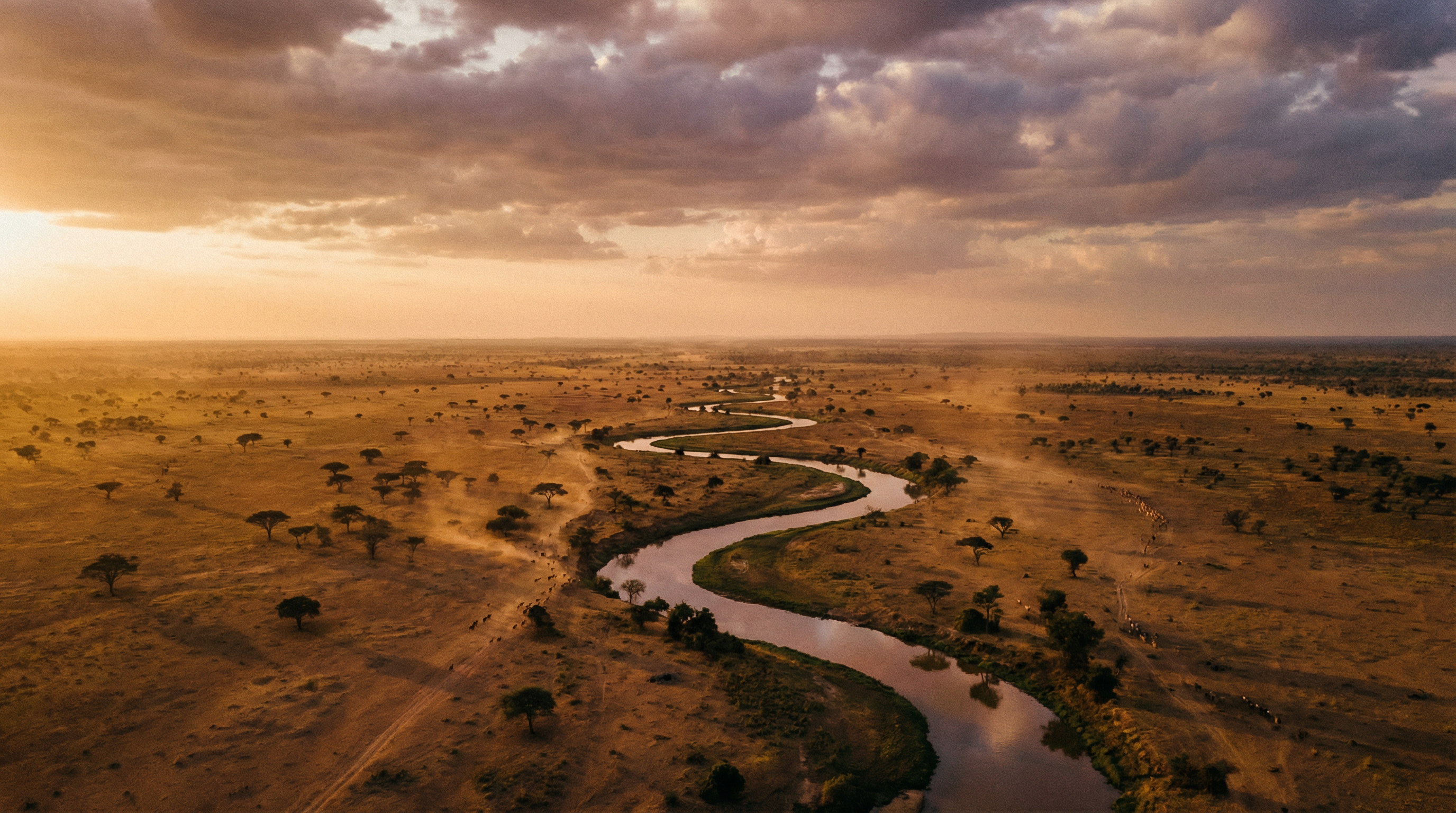
A Documentary Overview
South Sudan
The World's Youngest Nation
Born from decades of conflict, South Sudan gained independence in 2011 only to descend into civil war. This is the story of a nation, its people, and the ongoing struggle for peace.
The Nation
Republic of South Sudan
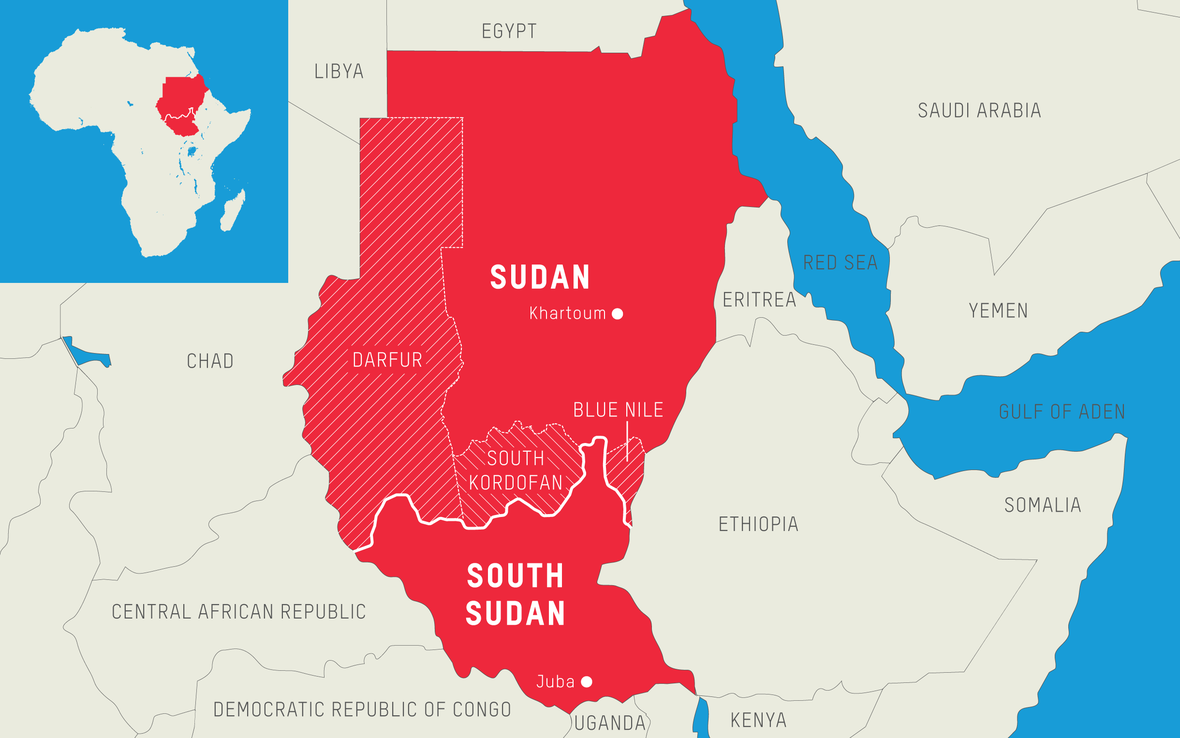
South Sudan, officially the Republic of South Sudan, is a landlocked country in East Africa. It is bordered by Sudan to the north, Ethiopia to the east, Kenya, Uganda, and the Democratic Republic of the Congo to the south, and the Central African Republic to the west.
The country gained independence from Sudan on July 9, 2011, following a referendum in which 98.83% of voters chose secession. This made South Sudan the world's newest internationally recognized country and the 54th nation in Africa.
With a population of approximately 15.8 million people and over 60 different ethnic groups, South Sudan is one of the most diverse nations on the continent. The capital city is Juba, located along the White Nile.
15.8M
Population
60+
Ethnic Groups
2011
Independence
Juba
Capital City
2013 - 2020
The Civil War
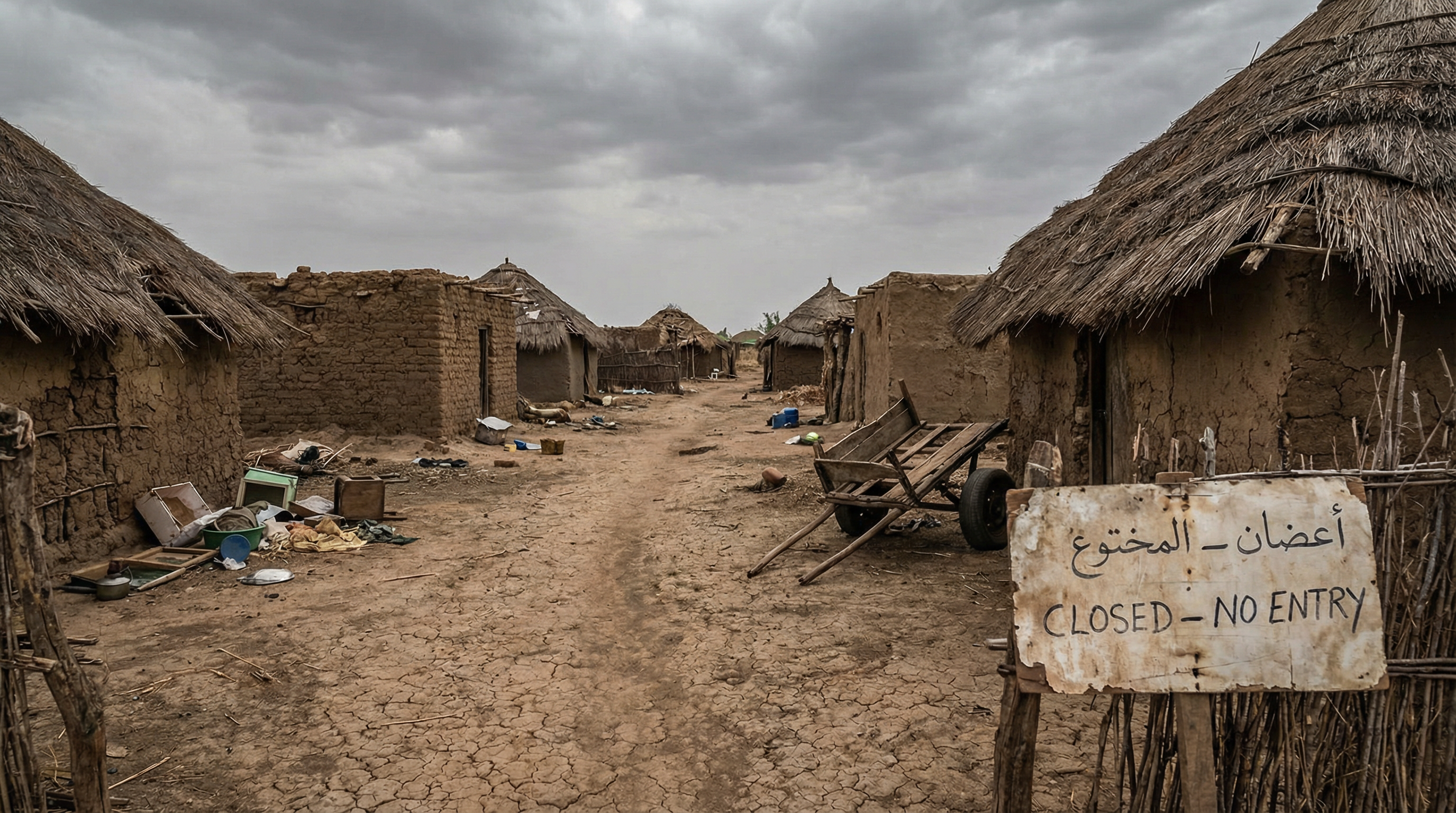
Abandoned villages became a common sight as millions fled the violence
Origins of the Conflict
The South Sudanese Civil War began on December 15, 2013, when President Salva Kiir accused his former deputy, Riek Machar, of attempting a coup d'état. Machar denied the allegations and fled to lead the opposition Sudan People's Liberation Movement-in-Opposition (SPLM-IO).
What started as a political power struggle quickly devolved into ethnic violence, primarily between the Dinka ethnic group (aligned with Kiir) and the Nuer ethnic group (aligned with Machar). The conflict spread rapidly across the young nation.
"The civil war caused rampant human rights abuses, including forced displacement, ethnic massacres, and killings of journalists by various parties."
— Wikipedia
The Human Cost
By April 2018, an estimated 383,000 to 400,000 people had been killed in the war. This staggering death toll includes approximately 190,000 violent deaths and 193,000 non-violent war-related deaths from disease and starvation.
More than 4 million people were displaced—1.8 million internally and 2.5 million fleeing to neighboring countries, particularly Uganda and Sudan. The conflict devastated the agricultural heartland, causing 6 million people to face starvation and leading to the 2017 famine.
The war formally ended on February 22, 2020, when rivals Kiir and Machar struck a unity deal and formed a coalition government. However, ethnic violence and instability continue to plague the nation.
400,000
Lives Lost
4M+
Displaced
6 Years
Duration
2017
Famine Year
Ongoing Crisis
Humanitarian Emergency
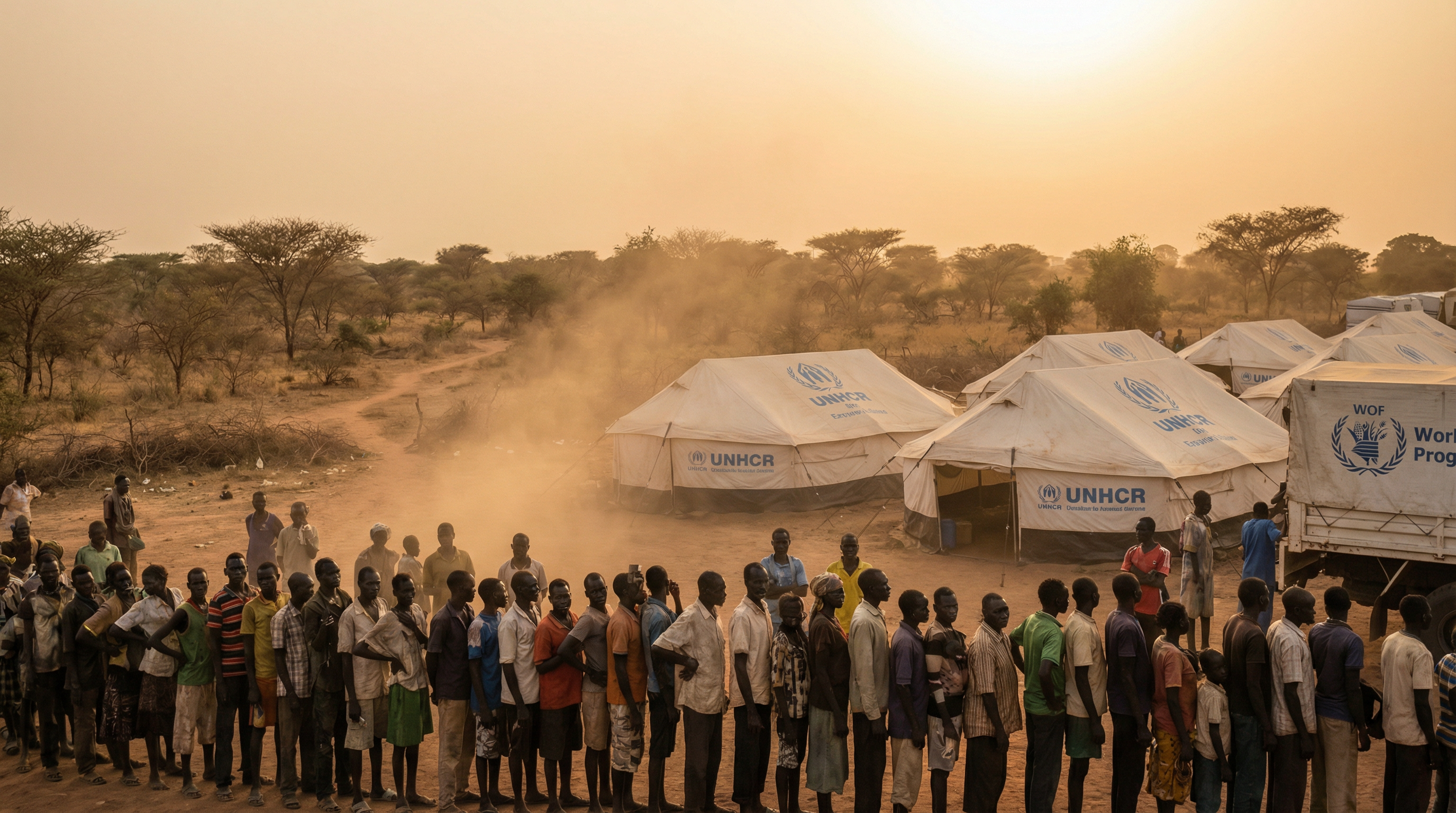
Aid distribution at a UNHCR camp
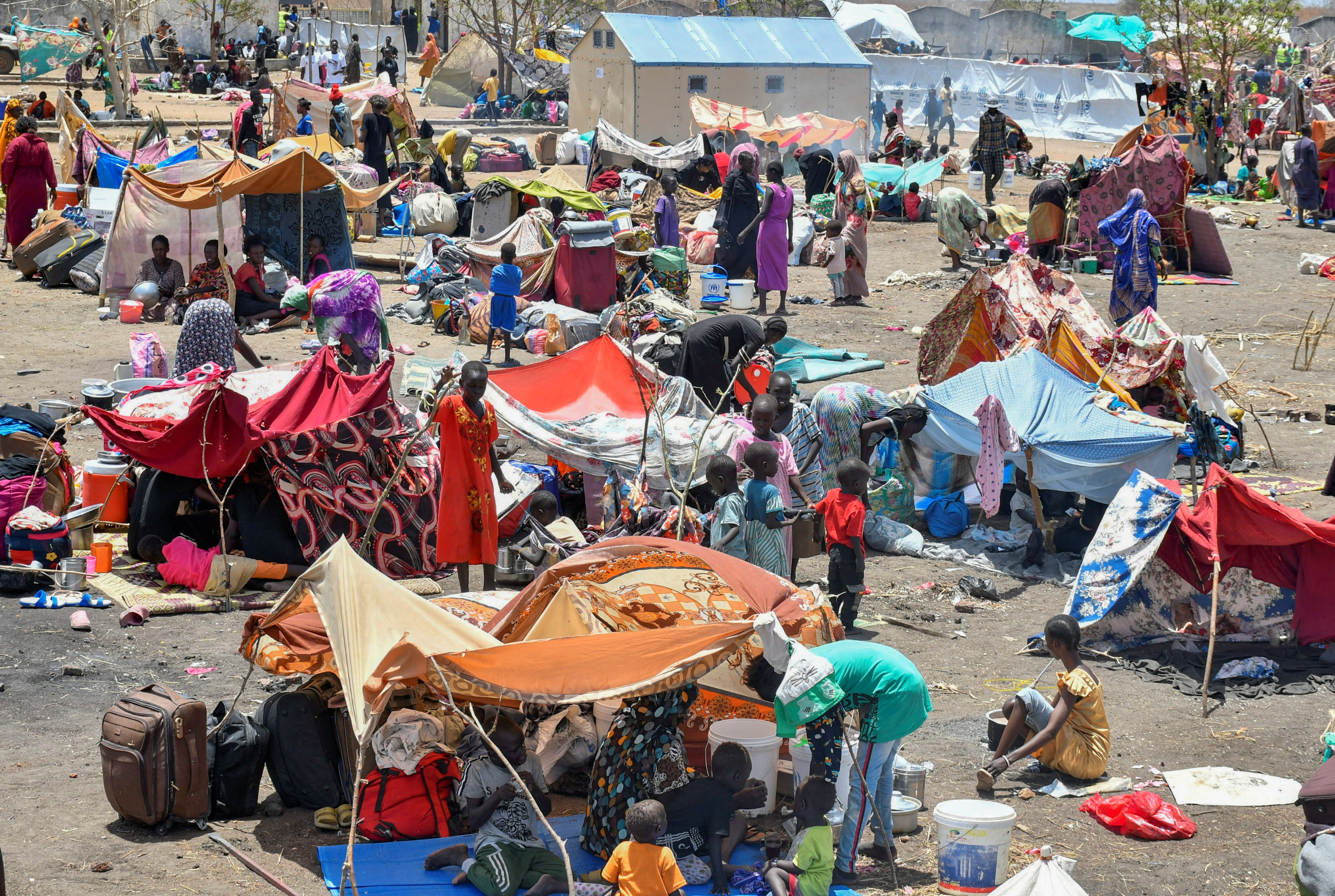
Makeshift shelters in a displacement camp
Displacement & Refugees
South Sudan faces one of the world's largest displacement crises. Nearly 2.4 million South Sudanese have fled to neighboring countries, while millions more remain internally displaced within the country's borders.
The ongoing conflict in neighboring Sudan has further complicated the situation, with South Sudanese refugees being forced to return to their unstable homeland. Many face the impossible choice between two conflict zones.
Health & Food Security
Healthcare access remains severely limited across South Sudan. Cholera outbreaks have spread across the country, with over 96,000 confirmed cases and more than 1,500 deaths reported as of late 2025.
Food insecurity affects millions, with the agricultural sector devastated by years of conflict. International organizations continue to provide critical aid, but the scale of need far exceeds available resources.
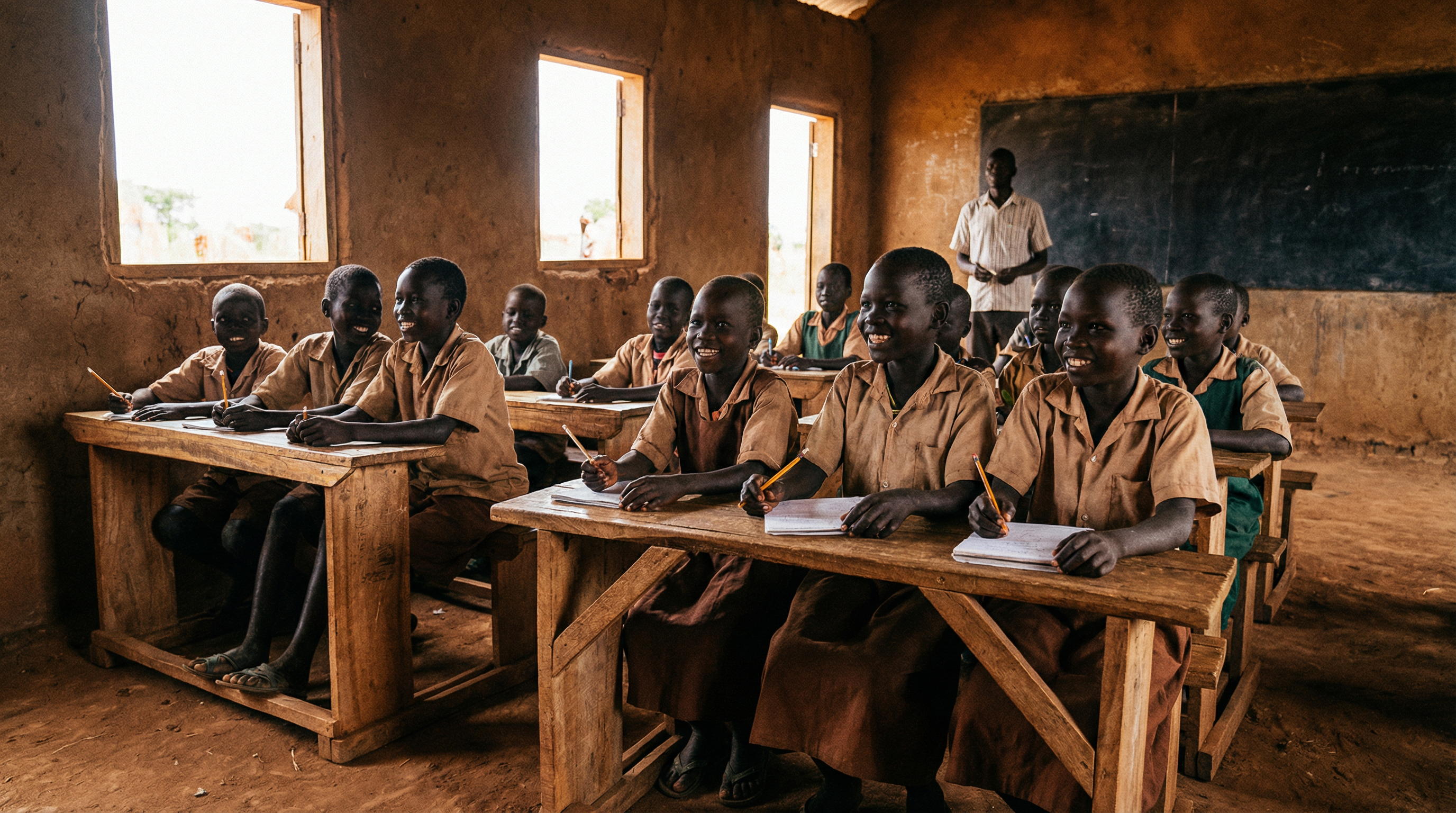
Hope for the Future
Despite the challenges, South Sudan's children represent hope for a better future. Education initiatives and humanitarian programs work to provide opportunities for the next generation, even amid ongoing instability.
Government
Leadership & The First Family
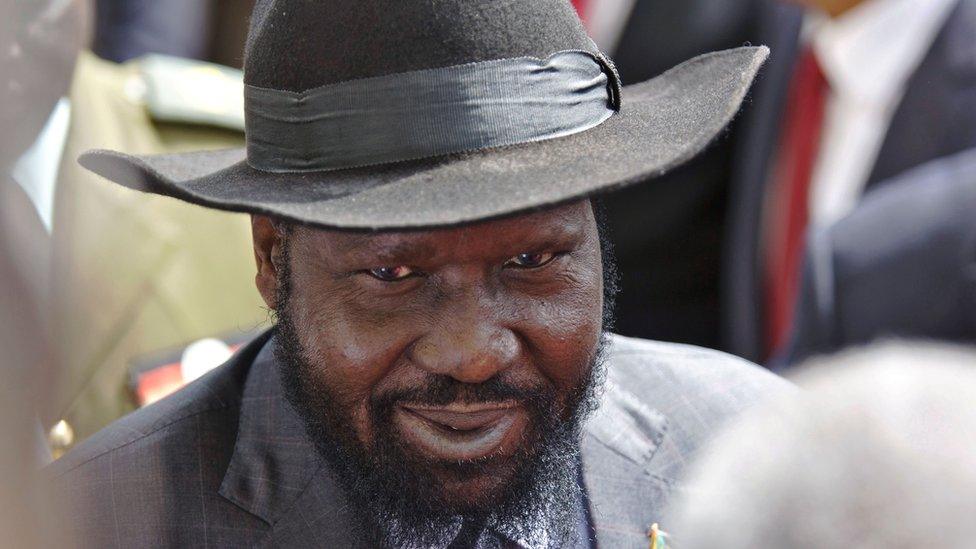
Salva Kiir Mayardit
President of South Sudan
The President
Salva Kiir Mayardit (born September 13, 1951) has served as President of South Sudan since its independence on July 9, 2011. A member of the Dinka ethnic group, Kiir joined the Anyanya rebels in 1967 during the First Sudanese Civil War and later became a key figure in the Sudan People's Liberation Army (SPLA).
Kiir rose to prominence after the death of John Garang in 2005, becoming Commander-in-Chief of the SPLA and President of the Southern Sudan Autonomous Region. He is instantly recognizable by his signature black Stetson hat, a gift from U.S. President George W. Bush during a 2006 White House visit.
His presidency has been marked by the civil war with his former deputy Riek Machar, consolidation of power, and ongoing criticism from human rights organizations regarding press freedom and political opposition.
The First Family
First Lady Mary Ayen Mayardit
Mary Ayen Mayardit serves as the First Lady of South Sudan. She leads the organization "Concern for Women and Children" and is known for her relatively private public profile compared to other African first ladies.
Children
The Kiir family includes several children, with Adut Salva Kiir Mayardit (eldest daughter) being the most prominent. In August 2025, she was appointed Senior Presidential Envoy on Special Programmes. Son Thiik Salva Kiir married his Kenyan partner in a private ceremony.
Controversy: The First Family's Business Empire
"Since independence, rather than work toward a secure and prosperous future, the Kiir regime has orchestrated destabilization, repression, violent conflict, and mass starvation while consolidating a lucrative corporate empire."
— John Prendergast, Co-founder of The Sentry
A November 2024 investigation by The Sentry, titled "Kiirdom: The Sprawling Corporate Kingdom of South Sudan's First Family," revealed that the Kiir family controls 126 companies spanning key sectors of the country's economy. The investigation identified seven of President Kiir's children as shareholders, along with his wife.
The report raised concerns about trade-based money laundering, use of proxies to circumvent constitutional restrictions, and lack of transparency in asset declarations. Some of Kiir's children and grandchildren were listed as shareholders while still minors. The South Sudanese government rejected the report as "malicious."
History
Timeline of Events
Sudan Independence
Sudan gains independence from British-Egyptian rule
First Civil War
First Sudanese Civil War between north and south
Second Civil War
Second Sudanese Civil War kills an estimated 2 million people
Peace Agreement
Comprehensive Peace Agreement signed; Southern Sudan gains autonomy
Independence
South Sudan becomes independent after 98.83% vote for secession
Civil War Begins
President Kiir accuses VP Machar of coup attempt; civil war erupts
Peace Agreement
Compromise Peace Agreement signed in August
Violence Returns
Fighting breaks out in Juba; Machar flees the capital
Famine Declared
Famine declared in parts of South Sudan; 6 million face starvation
New Peace Deal
Another power-sharing agreement signed in August
Unity Government
Kiir and Machar form coalition government on February 22
Ongoing Crisis
Ethnic violence and humanitarian emergency continue